


Bhutan’s most famous landmark clings to a cliff high above the Paro Valley. Reaching the Tiger’s Nest Monastery requires a steady mountain hike—but the journey is as memorable as the destination.
Bhutan’s most famous landmark appears suddenly.
After an hour of climbing through pine forest above the Paro Valley, the trail bends around a ridge and the trees open to reveal a sheer granite cliff across the valley. Clinging to its face like an improbable mirage is the Tiger’s Nest Monastery—white walls and golden roofs suspended high above the forested slopes.
From this distance the monastery looks impossibly remote.
The realisation soon follows: reaching it requires continuing upward.
The Tiger’s Nest Monastery, known locally as Paro Taktsang, sits at around 3,120 metres above sea level and roughly 900 metres above the valley floor. It is Bhutan’s most revered religious site and the country’s most recognisable image. Yet despite its fame, the monastery is not accessible by road.
Visitors must walk.

The hike begins about 20 minutes’ drive north of Paro town at a modest trailhead surrounded by pine forest. Early morning is the preferred starting time, when the mountain air is cool and the trail is quieter.
From the outset, the path climbs steadily.
The route follows a broad dirt track that winds upward through tall blue pines. Prayer flags flutter between the trees and small shrines appear along the path. The scent of pine resin mixes with faint incense drifting from temples somewhere higher in the mountains.

From the outset, the path climbs steadily.
The route follows a broad dirt track that winds upward through tall blue pines. Prayer flags flutter between the trees and small shrines appear along the path. The scent of pine resin mixes with faint incense drifting from temples somewhere higher in the mountains.
Although the gradient is manageable, the altitude quickly becomes noticeable. Even experienced walkers often find themselves slowing their pace as the thinner Himalayan air demands steadier breathing.
Occasionally horses pass on the trail, carrying supplies or transporting visitors who prefer not to complete the hike entirely on foot.
The monastery itself remains visible only in glimpses through the trees. Each brief view suggests the destination is close, though the trail continues climbing in long switchbacks.
The round-trip hike measures about six kilometres and typically takes between four and six hours including rest stops. The elevation gain of roughly 500 metres is not extreme by mountain standards, but the continuous ascent and altitude make the climb moderately challenging.
About halfway up the trail, a welcome landmark appears.
A teahouse sits on a terrace overlooking the valley, providing a natural rest point for hikers. Many pause here for tea, snacks or simply the chance to catch their breath.
More importantly, the teahouse offers the first clear panoramic view of Tiger’s Nest across the valley.
From this vantage point the monastery appears dramatically suspended on the cliff face, its cluster of temples stepping down the rock wall. It is one of Bhutan’s most photographed scenes and a powerful incentive to continue climbing.
Beyond the teahouse the trail narrows slightly and climbs for another 30 to 45 minutes toward the famous viewpoint directly opposite the monastery.
From here the architecture becomes clearer. Several temple buildings cling to the cliff, connected by terraces, staircases and narrow walkways that appear to defy gravity.
Despite the proximity, the final approach still requires effort.
The trail suddenly descends steeply into a narrow canyon carved by a waterfall that spills down the cliff beneath the monastery. Visitors cross a small bridge below the cascade before beginning the final climb.
This section consists of hundreds of stone steps—first descending deep into the gorge and then climbing sharply toward the monastery entrance. After several hours of hiking the ascent can feel surprisingly demanding.
Eventually the steps lead to a gateway marking the entrance to the monastery complex.
Inside, visitors leave shoes and bags in designated areas before entering the temple buildings. Photography is not permitted within the monastery, reinforcing the sense that the site remains primarily a place of worship rather than a tourist attraction.
The complex was built in 1692 around a sacred cave where the Buddhist master Guru Padmasambhava, also known as Guru Rinpoche, is believed to have meditated in the eighth century.
According to legend he arrived here on the back of a flying tigress, giving the monastery its enduring name.
Today monks continue to live and practice within the complex. Dimly lit chapels glow with butter lamps, incense drifts through narrow corridors and painted murals depict Buddhist deities and spiritual figures.
Outside, terraces provide spectacular views across the Paro Valley far below.
Looking down from the monastery walls, the trail winding through the forest appears distant and surprisingly steep.
Despite its dramatic setting, the Tiger’s Nest hike remains achievable for most travellers with reasonable fitness. The key challenges are the altitude and the steady climb rather than any technical difficulty.
Preparation helps considerably. Spending a day or two acclimatising in Paro or Thimphu allows the body to adjust to the elevation. Sturdy walking shoes are essential, particularly for the stone steps near the monastery. Carrying water and pacing the climb slowly are equally important.
Trekking poles can also reduce strain on knees during both the ascent and descent.
After exploring the monastery complex, visitors return along the same trail through the pine forest.
The descent is quicker but requires careful footing on loose gravel and uneven steps. By the time hikers reach the trailhead again, legs are often tired but the experience remains vivid.
The Tiger’s Nest Monastery is remarkable not simply because of its dramatic location, but because reaching it requires effort.
The journey turns a famous landmark into something more meaningful—a mountain walk that gradually reveals one of the Himalayas’ most extraordinary religious sites.
Bhutan Spirit Sanctuary is the first and only 5-star wellness-inclusive luxury resort in Bhutan. Every stay includes all meals, with a delightful 4-course set lunch and a 6-course set dinner, alongside an à la carte breakfast. In addition, exclusive rates offer access to the expertise of Traditional Bhutanese Medicine Doctors, one wellness treatment per paid night, and complimentary use of wellness services and facilities. Yoga classes, meditation sessions, and a curated selection of in-house activities further enhance any stay, promising an experience that nourishes the body, mind, and spirit.
Occasionally horses pass on the trail, carrying supplies or transporting visitors who prefer not to complete the hike entirely on foot.
The monastery itself remains visible only in glimpses through the trees. Each brief view suggests the destination is close, though the trail continues climbing in long switchbacks.
The round-trip hike measures about six kilometres and typically takes between four and six hours including rest stops. The elevation gain of roughly 500 metres is not extreme by mountain standards, but the continuous ascent and altitude make the climb moderately challenging.
About halfway up the trail, a welcome landmark appears.
A teahouse sits on a terrace overlooking the valley, providing a natural rest point for hikers. Many pause here for tea, snacks or simply the chance to catch their breath.
More importantly, the teahouse offers the first clear panoramic view of Tiger’s Nest across the valley.
From this vantage point the monastery appears dramatically suspended on the cliff face, its cluster of temples stepping down the rock wall. It is one of Bhutan’s most photographed scenes and a powerful incentive to continue climbing.
Beyond the teahouse the trail narrows slightly and climbs for another 30 to 45 minutes toward the famous viewpoint directly opposite the monastery.
From here the architecture becomes clearer. Several temple buildings cling to the cliff, connected by terraces, staircases and narrow walkways that appear to defy gravity.
Despite the proximity, the final approach still requires effort.
The trail suddenly descends steeply into a narrow canyon carved by a waterfall that spills down the cliff beneath the monastery. Visitors cross a small bridge below the cascade before beginning the final climb.
This section consists of hundreds of stone steps—first descending deep into the gorge and then climbing sharply toward the monastery entrance. After several hours of hiking the ascent can feel surprisingly demanding.
Eventually the steps lead to a gateway marking the entrance to the monastery complex.
Inside, visitors leave shoes and bags in designated areas before entering the temple buildings. Photography is not permitted within the monastery, reinforcing the sense that the site remains primarily a place of worship rather than a tourist attraction.
The complex was built in 1692 around a sacred cave where the Buddhist master Guru Padmasambhava, also known as Guru Rinpoche, is believed to have meditated in the eighth century.
According to legend he arrived here on the back of a flying tigress, giving the monastery its enduring name.
Today monks continue to live and practice within the complex. Dimly lit chapels glow with butter lamps, incense drifts through narrow corridors and painted murals depict Buddhist deities and spiritual figures.
Outside, terraces provide spectacular views across the Paro Valley far below.
Looking down from the monastery walls, the trail winding through the forest appears distant and surprisingly steep.
Despite its dramatic setting, the Tiger’s Nest hike remains achievable for most travellers with reasonable fitness. The key challenges are the altitude and the steady climb rather than any technical difficulty.
Preparation helps considerably. Spending a day or two acclimatising in Paro or Thimphu allows the body to adjust to the elevation. Sturdy walking shoes are essential, particularly for the stone steps near the monastery. Carrying water and pacing the climb slowly are equally important.
Trekking poles can also reduce strain on knees during both the ascent and descent.
After exploring the monastery complex, visitors return along the same trail through the pine forest.
The descent is quicker but requires careful footing on loose gravel and uneven steps. By the time hikers reach the trailhead again, legs are often tired but the experience remains vivid.
The Tiger’s Nest Monastery is remarkable not simply because of its dramatic location, but because reaching it requires effort.
The journey turns a famous landmark into something more meaningful—a mountain walk that gradually reveals one of the Himalayas’ most extraordinary religious sites.
STAYING IN PARO
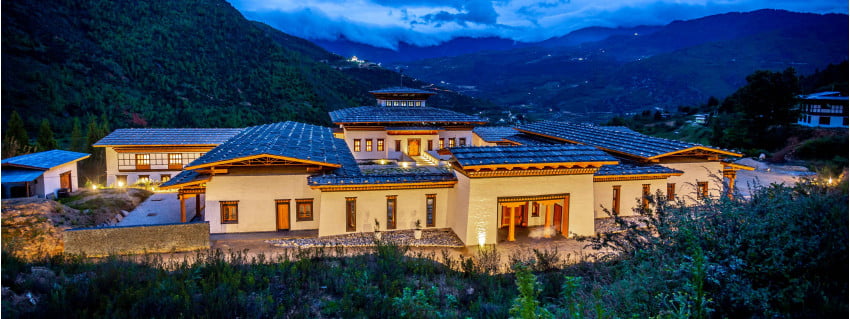
Bhutan Spirit Sanctuary is the first and only 5-star wellness-inclusive luxury resort in Bhutan. Every stay includes all meals, with a delightful 4-course set lunch and a 6-course set dinner, alongside an à la carte breakfast. In addition, exclusive rates offer access to the expertise of Traditional Bhutanese Medicine Doctors, one wellness treatment per paid night, and complimentary use of wellness services and facilities. Yoga classes, meditation sessions, and a curated selection of in-house activities further enhance any stay, promising an experience that nourishes the body, mind, and spirit.
Images: Roderick Eime


