

Fun and interesting travel stories from Australia and The World

Sunday, January 24, 2016
Six reasons to visit Myanmar

Friday, January 15, 2016
Sickies highest after Australia Day
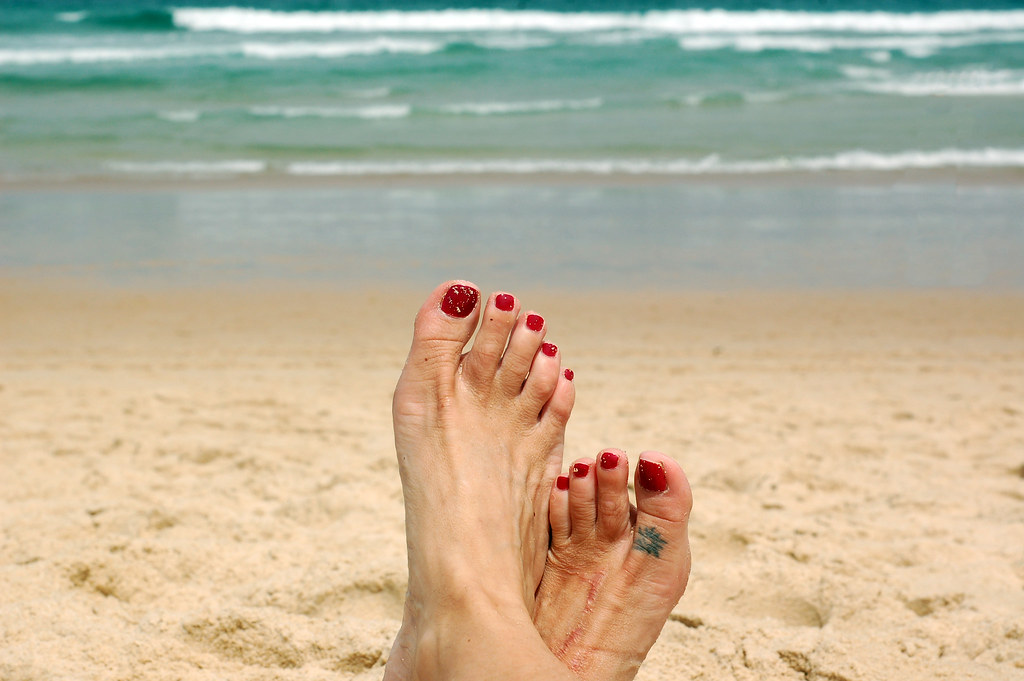
Aussies might celebrate Australia Day with more gusto than other national events, with new data revealing that sickies are more common after 26 January than after Anzac Day, Melbourne Cup and footy grand final weekends.
The survey of 2,024 Australians by Clipp, Australia's leading and fastest-growing mobile-payment and deals app for bars, pubs and their restaurants, revealed that 16 per cent of Aussies have chucked a sickie after Australia Day at least once, compared with 10 per cent on Anzac Day, 10 per cent after Melbourne Cup, and eight per cent after footy grand final weekends.
"On the flipside, 84 per cent of respondents haven't chucked a sickie after Australia Day, which is good news for employers who may have concerns about staff calling in sick," said Greg Taylor, co-founder and CEO of Clipp. "And of the 16 per cent admitting to chucking a sickie after Australia Day, just seven per cent said they have done it 'a few times'. Australia Day occurs at the end of a long January holiday for many Aussies, so there is little motivation to sneak in a sickie. Unlike sporting weekends, we also tend to see January 26 as more of a relaxing day to spend with family."
Interestingly, older Australians appear to value their work benefits and entitlements more, with younger Australians leading the charge when it comes to calling in sick after Australia day. One quarter (24 per cent) of those in their 20s admitted to doing so – of that, 13% said they had done it once while 11% said they'd done it a few times. This is closely followed by under 20s at 22 per cent (17% once and 6% a few times) then 16 per cent of 30-somethings, 12 per cent of 40-somethings, nine per cent of 50-somethings and four per cent of 60+.
When gender comes into play, males are more likely to have a sickie (17%) than females (14%), and while more admit to chucking a sickie once (9% each), eight per cent of males admit to doing it more than once, followed by six per cent of females. Sydneysiders and Melbournians are similar, with 15 and 16 per cent respectively having admitted to taking the day off at least once after Australia Day.
Tuesday, January 12, 2016
Thessaloniki - Greece: a National Geographic treasure

According to National Geographic, the city of Thessaloniki, Greece's second largest city in the north, is among the top 20 international destinations not to be missed by travelers.
The renowned magazine, which reaches more than 8 million readers worldwide, recently released its annual travel guide for 2013, naming Thessaloniki among the top destinations worldwide and a must see place for next year.
As the magazine states, "Although the euro crisis has caused ripples of discontentment here, it's the century-old street markets filled with ripe fruits and barrels of fresh feta that symbolize this city. Tucked between relics of Byzantine and Ottoman antiquity are art galleries, bohemian nightclubs, and culinary hot spots, all part of a grassroots vision turned reality by Thessaloniki's large do-it-yourself youth culture. The best way to get the feel of this mission-driven city is on foot, walking from the ruins of Ano Poli to Aristotelous Square on the waterfront. Then cozy up to a café to nibble grilled calamari washed down with dry Macedonian wine". The article also focuses on the city port, which it calls "luminous", due to the fact that it is not closed by any gigantic construction like so many others is southern Europe.
Εxcept for a beautiful city-break destination on its own, thanks to its location, Thessaloniki is also the holiday gateway to the north Aegean Islands and the Halkidiki region, famous for its natural beauty and mesmerizing beaches, as well as a short trip getaway to famous archaeological sites, such ancient Pella and the Vergina royal tombs. Moreover though, due its 3,000 year old history, examples of its Roman, Byzantine and Ottoman past, such as Byzantine churches, included in UNESCO's World Heritage list, are scattered around the city.
This is not the first major acknowledgement received by Thessaloniki. Many more leading newspapers and travel guides have also discovered Thessaloniki in the recent past. In 2010 Lonely Planet, the leading travel guide, included the city in the top 10 destinations in the world in terms of entertainment. In 2011, the annual Louis Vuitton City Guide - European Cities publication included Thessaloniki in its list of unexpected cities, due to the unique wine and culinary experiences it offers. That same year, the New York Times included it in the top 41 destinations to be visited in 2011, while the Australian Sun Herald, added the city at its list of proposed European travel destinations.
- The full National Geographic article on Thessaloniki, can be read at the following link:
http://travel.nationalgeographic.com/travel/best-trips-2013/#/white-tower-thessaloniki-greece_61109_600x450.jpg
As the magazine states, "Although the euro crisis has caused ripples of discontentment here, it's the century-old street markets filled with ripe fruits and barrels of fresh feta that symbolize this city. Tucked between relics of Byzantine and Ottoman antiquity are art galleries, bohemian nightclubs, and culinary hot spots, all part of a grassroots vision turned reality by Thessaloniki's large do-it-yourself youth culture. The best way to get the feel of this mission-driven city is on foot, walking from the ruins of Ano Poli to Aristotelous Square on the waterfront. Then cozy up to a café to nibble grilled calamari washed down with dry Macedonian wine". The article also focuses on the city port, which it calls "luminous", due to the fact that it is not closed by any gigantic construction like so many others is southern Europe.
Εxcept for a beautiful city-break destination on its own, thanks to its location, Thessaloniki is also the holiday gateway to the north Aegean Islands and the Halkidiki region, famous for its natural beauty and mesmerizing beaches, as well as a short trip getaway to famous archaeological sites, such ancient Pella and the Vergina royal tombs. Moreover though, due its 3,000 year old history, examples of its Roman, Byzantine and Ottoman past, such as Byzantine churches, included in UNESCO's World Heritage list, are scattered around the city.
This is not the first major acknowledgement received by Thessaloniki. Many more leading newspapers and travel guides have also discovered Thessaloniki in the recent past. In 2010 Lonely Planet, the leading travel guide, included the city in the top 10 destinations in the world in terms of entertainment. In 2011, the annual Louis Vuitton City Guide - European Cities publication included Thessaloniki in its list of unexpected cities, due to the unique wine and culinary experiences it offers. That same year, the New York Times included it in the top 41 destinations to be visited in 2011, while the Australian Sun Herald, added the city at its list of proposed European travel destinations.
- The full National Geographic article on Thessaloniki, can be read at the following link:
http://travel.nationalgeographic.com/travel/best-trips-2013/#/white-tower-thessaloniki-greece_61109_600x450.jpg
Tuesday, December 29, 2015
10 tips to avoid crime on your holiday

from Craig Morrison, CEO for Southern Cross Travel Insurance
1) Carry a travel money belt instead of a backpack - you'll be less of a target to pickpockets.
2) Leave the bling behind - expensive items, and even expensive looking items, may attract the watchful eye of thieves.
3) Avoid running into trouble by exercising the same caution overseas as you would at home - e.g. don't jump into a car with a stranger, avoid walking alone at night and take measures to safeguard your items.
4) Familiarise yourself with the local currency and be wary of vendors who might try to short-change you.
5) Keep your passport safe and do not give it to anyone or leave it as a deposit for a jet ski or bike hire - it is the most valuable thing you take on holiday!
6) Be mindful of where you leave your items, even if right next to you. Normal places to put your items in Australia are often targeted overseas by thieves. Avoid leaving them unattended on the beach or in other public places such as bars and restaurants.
7) Avoid using unlicensed taxis. Use licensed, marked taxis, and note down the name of the company and driver. Be wary of taxi drivers who might try and drive away with your items still in the boot.
8) Be mindful of distractions thieves use such as kids trying to sell items or people telling you there is something in your hair or on your top.
9) Never leave valuable items (e.g. cash, jewellery, electronics) in checked luggage or stored away from you when using a transport provider.
10) Bus stops and buses (especially overnight ones) are a common target for thieves. Secure valuable items where possible by keeping them on your person and using padlocks on your bags.
Tuesday, December 22, 2015
Kolkata's bustling flower market is a riot of sound and smells

IN his continuing search for the more weird and wondrous in this world, David Ellis says that next time you're working on the flower vase, give a thought to the Mallick Ghat Flower Market on the banks of the Ganges River in Kolkata (Calcutta as most of us still think of it.)
Because here in the biggest flower market in Asia, something like 2,500 vendors a day trade fresh-cut flowers by the hundreds of kilograms… some 1,500-plus tonnes in fact, brought in daily from farms 60kms or more out of town.
Name a warmth-loving flower and you'll find it at Mallick Ghat… travel writing colleague Roderick Eime who was there just recently discovering the markets to be a fascinating if chaotic 15- to 18-hours a day of frenzied bidding, bargaining and bustle as vendors and buyers haggle over prices.
And almost cry as you learn that marigolds change hands from as low 60 rupees (AU$1) for a one kilogram bunch, 25 cut roses for just $3.50, wedding garlands a measly 400 rupees ($8) – with equally eye-watering prices for everything from sweet peas and sunflowers, to orchids and gladioli…
But Roderick warns that while Mallick Ghat's certainly worth a visit during a stay in Calcutta, be ready to splash around a muddy calamity under-foot, and to be constantly jostled amid the competitive crowds.
As well, being right alongside the sacred Ganges, prepare too for the sights of the faithful undertaking everything in the holy waters from religious bathing and washing to other activities normally reserved for the bathroom…
It's all, Roderick says, something of an assault on the senses, with the fragrant perfume of those tonnes of flowers, competing with the ever-present aroma of one of India's busiest, most densely populated and over-crowded cities.
For information on tours that include the Kolkata Flower Market, visit Active Travel
PHOTO CAPTION:
FLOWERS by the hundreds of kilograms… some 1,500 tonnes in fact that change hands daily at Kolkata (Calcutta) Mallick Ghat Flower Markets at prices to make you cry. (Photo: Roderick Eime)
Sunday, December 13, 2015
Cape Town: Madiba's much-loved Mother City

From the sobering UNESCO site of Robben Island to the glittering malls of the Victoria and Alfred Waterfront, Cape Town is a solid favourite with visitors from all over the world.
by Roderick Eime.
No matter what anyone tells you, you can only visit Robben Island, you can never 'experience' it.
Ever since the last prisoners were released in 1996, the cells of Robben Island have stood empty. The stark painted walls, rusty bed frames and chipped iron bars sit alone and forlorn, the stiff, salty sea breeze whistling a shrill tune as it passes through. Only those poor souls who lived behind these walls can ever claim to have experienced this God-forsaken place.
The saga of Nelson ‘Madiba’ Mandela shall always hold a special place in the story of Robben Island. The once renegade activist, National President and father of modern South Africa spent 18 of his 27 years in jail on Robben Island along with numerous other high profile ANC leaders such as Kgalema Motlanthe, who also served as President of South Africa, Oliver Tambo and current President, Jacob Zuma.
Perfectly located a tantalising distance from Cape Town, the seven kilometres of angry sea acted as the ideal barrier to escape attempts with the only ever escapee doing so in 1660 by stealing a rowboat.
With the passing of the great man at the age of 95 last December and the almost immediate release of the movie adaptation of his autobiography, ‘Mandela: Long Walk to Freedown”, Madiba’s presence on all things South African is at the moment almost supernatural.
The jumping off point to UNESCO World Heritage-listed Robben Island is right at Cape Town’s glorious V&A Waterfront with ferries running four times a day. Allow four hours for the tour and return ferry ride.
Cape Town itself is frequently listed on various ‘Best Of’ lists as one of the world’s most beautiful cities to visit. It certainly has one of the most striking vistas, with the ‘City Bowl’ poised elegantly on the slender plain as a front piece to the imposing Table Mountain backdrop. As if draped in layers of snow-like fairy floss, the kilometre high, flat-topped natural fortress has protected the ‘mother city’ for more than 350 years.
The range of activities in and around Cape Town is enormous. Tours, treks and tastings abound from abseiling and shark cage dives for the adrenalin junkies to urbane food and produce tours to the gorgeous Stellenbosch or Constanzia regions within an easy drive of downtown.
While Cape Town may boast the most desirable city in South Africa, it is by no means the only one worth visiting. To continue the ‘Madiba Trail’ across to Johannesburg, an exploration of the once forbidden (for white folks) township of Soweto is a perfect bookend to the Robben Island adventure.
Here, in an unassuming red ‘matchbox’ brick dwelling at 8115 Vilakazi Street, Orlando West, is the so-called Mandela House. Pock-marked with bullet holes and scorched from fire bombs, Nelson Mandela lived at this address from 1946 until the time of his arrest in 1962. Upon his release in 1990, he briefly returned here, stating famously in his autobiography “For me No. 8115 was the centre point of my world, the place marked with an X in my mental geography.”
The South Africa you visit today is a far cry from the strife-torn, segregated country of Mandela’s adult years. The bright ‘Rainbow Nation’ which hosts world class sporting events and welcomes around 10 million international guests annually is the glittering and glamorous gateway to Africa.
Monday, November 30, 2015
Serengeti's Great Migration

But come late November, it's a vastly different story; the rains have well and truly arrived, and with them the start of the Great Migration, as thousands of wildebeest head towards their calving grounds in the south of the Serengeti.
The precise start of migration varies each year. Depending on rainfall, sometimes smaller groups of wildebeest, zebra and buffalo move in first before the bulk follows. In other years it seems as though the entire herd arrives as one, blanketing the plains in huge numbers. Everyday is different and extraordinary: one afternoon, you might see a just few thousand animals, only to find an ocean of wildlife the next morning, with wildebeest and zebra stretching as far as the eye can see.
Each year the gathering draws the attention of plenty of opportunists. Kusini's pride of lions surveys the plains from their strategic vantage point – Mowe Ya Simba (meaning literally the 'Rock of the Lions' in Swahili). Ghostly leopards also lie in wait, while cheetahs steer clear of the chaos caused by larger predators and take refuge in the rolling vast savannah. And of course, large clans of ever-present hyenas roam in search of the weak, the wounded, and the ill.
The only permanent camp in this unspoiled and remote part of the Serengeti, Sanctuary Retreats' luxurious Sanctuary Kusini Camp. Every year vast herds of zebra, wildebeest and other game congregate right at the camp's doorstep from mid-December to March the calving season.

Subscribe to:
Posts (Atom)
Last 30 Days' Most Popular Posts
-
It was as a child in the Albury district that cartoonist Ken Maynard came to love the Ettamogah countryside, and he later immortalised ...
-
 Center Hill Lake may be less well known than other outdoor escapes in Tennessee, but this gorgeous lake on the state’s Highland Rim is ou...
 -
ABOUT DUBBO NSW Dubbo is a city located in the central-west region of New South Wales, Australia. It is the largest city in the Orana regio...
-
 Australia's oldest surviving gold town Tucked away in the picturesque Turon River valley, Sofala is a tiny town with a big history. This...
 -
The Qatar Airways Al Mourjan Business Lounge at Hamad International Airport (DOH) in Doha is one of the most luxurious airport lounges in t...
-
 Explorers; Hume and Hovell, passed through the region around Gundagai, ancient home of the Wiradjuri people , in November 1824 and by t...


